


Introduction
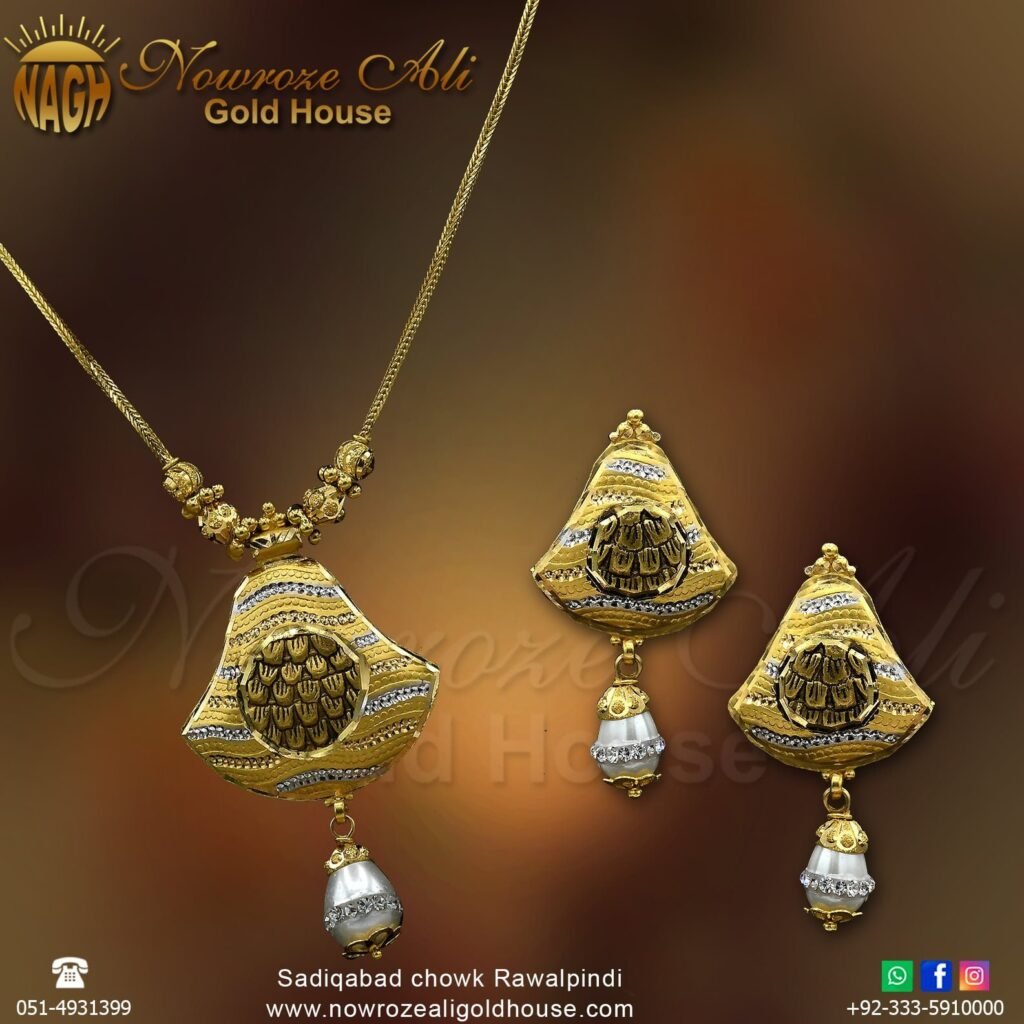
Few pieces of jewelry carry as much cultural weight, artistic tradition, and celebratory significance as the gold mala set. In South Asian culture, particularly across India, Pakistan, Bangladesh, Nepal, and Sri Lanka, the word “mala” refers to a necklace, and a gold mala set typically comprises a full ensemble of coordinated gold jewelry—most commonly a necklace paired with matching earrings, and sometimes additional pieces such as a maang tikka (forehead ornament), bangles, or a nose ring—designed to be worn together as a complete, harmonious look.
Gold mala sets are most closely associated with weddings, religious festivals, and other major life celebrations, where they serve not merely as adornment but as visible symbols of prosperity, family heritage, auspiciousness, and social standing. A bride’s wedding mala set, in particular, often represents one of the most significant jewelry investments a family will make, frequently passed down as an heirloom or added to over generations.
It’s worth noting that the word “mala” is also used in a very different context within Hindu, Buddhist, and Sikh spiritual practice, referring to a string of prayer beads—traditionally 108 beads—used for meditation and chanting mantras (japa). While these spiritual malas are more commonly made from materials like rudraksha seeds, sandalwood, or tulsi wood, gold versions or gold-accented prayer malas do exist and hold their own devotional significance. This article primarily explores the more widely recognized gold mala set as a category of celebratory necklace jewelry, while also touching on the spiritual mala tradition where relevant.
A Brief History of the Gold Mala Set
Ancient and Vedic Origins
The tradition of wearing elaborate gold necklaces in South Asia stretches back thousands of years, with archaeological evidence of gold jewelry found at Indus Valley Civilization sites dating to around 2500 BCE. Ancient Indian texts, including the Vedas and later Sanskrit literature, frequently reference gold ornaments worn by deities, royalty, and nobility, reflecting the deep-rooted association between gold and both material and spiritual prosperity in South Asian culture.
In Hindu tradition, gold has long been considered an auspicious metal, closely associated with the goddess Lakshmi, the deity of wealth and prosperity. Wearing gold, particularly during religious ceremonies and celebrations, was believed to invite her blessings into the household. This belief continues to shape the significance of gold mala sets in contemporary South Asian culture.
Mughal Influence
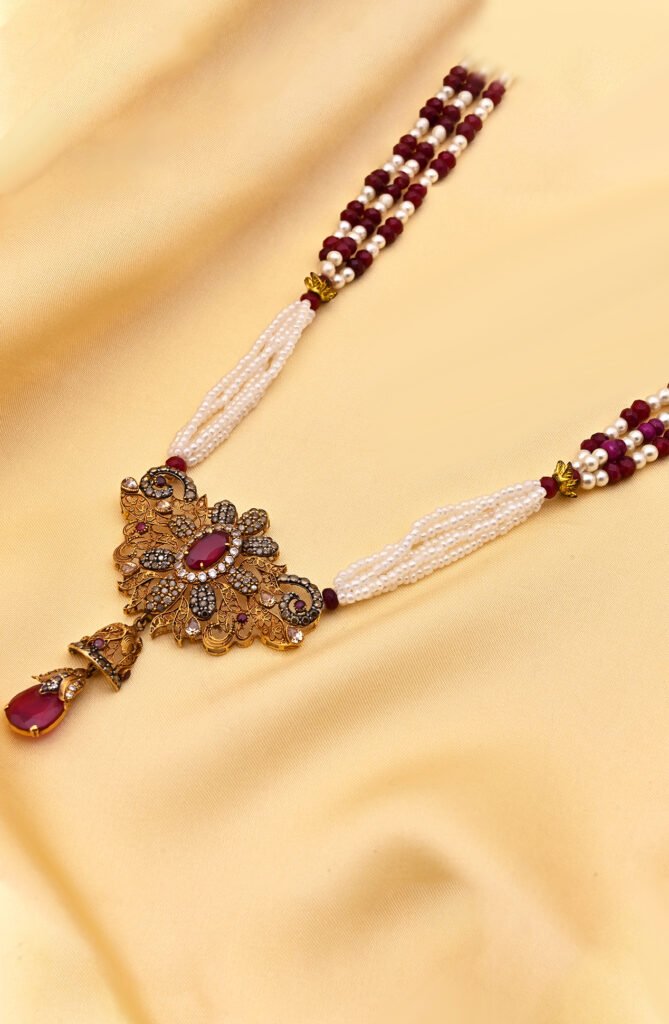
The Mughal Empire, which ruled much of the Indian subcontinent from the 16th to the 19th centuries, had a profound influence on South Asian jewelry design, including the gold mala. Mughal craftsmen introduced intricate techniques such as kundan (a method of setting gemstones in gold foil) and meenakari (enamel work), which remain hallmarks of traditional Indian gold jewelry today. Mughal-era gold mala sets often featured elaborate, multi-layered necklaces adorned with precious stones, pearls, and detailed goldwork, reflecting the opulence of the imperial court.
Regional Traditions Across South Asia
As gold mala traditions developed across different regions of South Asia, distinct regional styles emerged, each reflecting local craftsmanship traditions, available materials, and cultural preferences.
In South India, particularly in Tamil Nadu, Kerala, and Andhra Pradesh, temple jewelry traditions gave rise to elaborate gold mala designs featuring depictions of deities, temple architecture, and traditional motifs such as the mango (mangalyam) and peacock designs. These pieces, historically worn by temple dancers and later adopted into bridal fashion, remain highly prized for their intricate detail and cultural significance.
In North India, particularly in Rajasthan and Punjab, kundan and polki (uncut diamond) jewelry traditions produced elaborate, layered gold mala sets often paired with matching earrings and maang tikka, characterized by intricate goldwork combined with colorful gemstone detailing.
In Bengal, filigree work (known locally as “jaali” work) produced delicate, lace-like gold mala designs, showcasing exceptional craftsmanship in fine gold wirework.
The Wedding Mala Tradition
Perhaps the most culturally significant application of the gold mala set is within South Asian wedding traditions. Bridal gold jewelry, including elaborate mala sets, is deeply embedded in wedding customs across Hindu, Sikh, and many other South Asian religious and cultural traditions. Gold jewelry given to a bride, often as part of her dowry or as gifts from both her family and her husband’s family, is seen as a symbol of the bride’s new status, the blessing of prosperity upon the marriage, and a practical form of financial security that traditionally belonged to the bride herself, independent of her husband’s assets.
The specific customs surrounding bridal gold mala sets vary across regions and communities, but the underlying significance—celebration, prosperity, protection, and family legacy—remains a consistent thread throughout South Asian wedding traditions.
The Modern Era
Contemporary gold mala sets continue to draw heavily on traditional design elements while incorporating modern aesthetic sensibilities. Today’s jewelers often blend classic techniques such as kundan, meenakari, and filigree work with contemporary silhouettes, offering brides and other consumers a wide range of options, from heavily ornate traditional pieces to more streamlined, modern interpretations of the classic mala set.
Why Gold? The Enduring Appeal of the Metal
Gold’s central role in South Asian jewelry traditions, including the mala set, stems from several deeply rooted factors:
Religious and Cultural Symbolism: Gold is closely associated with prosperity, auspiciousness, and divine blessing across Hindu, Sikh, and broader South Asian cultural traditions, making it the natural choice for jewelry worn during religious ceremonies and major life celebrations.
Durability for Heirloom Pieces: Gold’s resistance to tarnish and corrosion makes it well-suited for jewelry intended to be preserved and passed down through multiple generations, a common practice for treasured wedding mala sets.
Malleability for Intricate Craftsmanship: Gold’s exceptional malleability allows skilled artisans to create the elaborate, detailed designs characteristic of traditional South Asian jewelry, including intricate filigree work, detailed engravings, and elaborate multi-layered necklace designs.
Store of Value: Historically, gold jewelry has served as a practical, portable store of wealth, particularly significant for women in South Asian communities, who have traditionally used gold jewelry, including bridal mala sets, as a form of financial security independent of other family assets.
Aesthetic Richness: Gold’s warm, lustrous color provides a rich visual foundation well suited to the elaborate, detailed aesthetic traditionally associated with South Asian celebratory jewelry.
Understanding Gold Purity in Mala Sets
Gold purity plays a particularly important role in traditional South Asian jewelry, including mala sets, given cultural preferences for richly colored, high-purity gold.
24 Karat Gold (24K): Pure gold at 99.9% purity, offering the richest, deepest golden color. While prized for its purity, 24K gold is very soft, making it less practical for large, elaborate mala sets that require structural durability, though it is sometimes used for gold coins or specific ceremonial elements within a set.
22 Karat Gold (22K): Containing approximately 91.6% gold, 22K is the most traditional and widely preferred purity for South Asian bridal and celebratory gold jewelry, including mala sets. It offers a rich, warm golden color closely associated with traditional aesthetic preferences, while providing improved durability over pure 24K gold.
18 Karat Gold (18K): With 75% gold content, 18K gold offers a strong balance between rich color and practical durability, increasingly popular for contemporary mala set designs, particularly those intended for more frequent wear beyond specific ceremonial occasions.
14 Karat Gold (14K): Containing about 58.3% gold, 14K gold, while less traditional for South Asian bridal jewelry, is sometimes used for more modern, lightweight mala set designs intended for everyday or frequent wear, valued for its enhanced durability.
Given the cultural preference for rich, deep golden color in traditional South Asian jewelry, 22K gold remains the most commonly used purity for authentic, traditional gold mala sets, particularly those intended for weddings and major religious ceremonies.
Components of a Traditional Gold Mala Set
A complete gold mala set typically comprises several coordinated pieces, designed to be worn together as a unified ensemble.
The Mala (Necklace)
The centerpiece of the set, the mala necklace can range from a relatively simple single-strand design to elaborate, multi-layered pieces featuring intricate goldwork, gemstone detailing, and pendant elements. Traditional mala necklaces often increase in complexity and value for bridal or ceremonial occasions, sometimes featuring multiple necklaces of varying lengths worn together in a layered arrangement.
Jhumka or Matching Earrings
Most gold mala set include coordinating earrings, often in the traditional jhumka (bell-shaped) style or other designs that echo the motifs and craftsmanship of the necklace, creating a cohesive, harmonious overall look.
Maang Tikka
A forehead ornament suspended from a chain parted through the hair, the maang tikka is a common addition to bridal mala sets, adding an additional layer of traditional elegance to the complete ensemble.
Nath (Nose Ring)
In certain regional and cultural traditions, particularly in Maharashtra and other parts of India, a coordinating gold nose ring may be included as part of a complete bridal mala set.
Bangles and Additional Pieces
Some elaborate mala sets extend to include matching bangles, rings, or other coordinating pieces, creating a fully integrated jewelry ensemble for significant celebratory occasions.
Craftsmanship Techniques in Gold Mala Sets
The creation of a traditional gold mala set often involves several specialized techniques, some dating back centuries.
Kundan Work: A technique involving the setting of gemstones into gold foil, kundan work produces richly detailed, jewel-toned pieces traditionally associated with North Indian and Rajasthani jewelry design. This labor-intensive technique requires exceptional skill and is often reserved for high-value bridal and ceremonial pieces.
Meenakari (Enamel Work): Often paired with kundan work, meenakari involves the application of colored enamel to gold surfaces, creating vivid, detailed decorative patterns. Traditionally, the reverse side of kundan jewelry features meenakari work, adding beauty even to the side of the piece not typically visible when worn.
Filigree Work: An intricate technique involving the twisting and shaping of fine gold wires into delicate, lace-like patterns, filigree work is particularly associated with Bengali and Odishan jewelry traditions, producing exceptionally detailed, lightweight pieces.
Temple Jewelry Techniques: South Indian temple jewelry traditions employ specialized casting and detailing techniques to create pieces featuring depictions of deities, temple architecture, and traditional motifs, often finished with a distinctive antique or matte gold appearance.
Polki Work: Featuring uncut, natural diamonds set in gold, polki work produces a distinctive, slightly irregular sparkle prized in traditional bridal jewelry, particularly in North Indian design traditions.
Granulation and Bead Work: Techniques involving the fusing of tiny gold spheres or beads onto a surface create textured, detailed decorative patterns, adding richness and dimension to traditional mala designs.
Many contemporary jewelers combine these traditional handcraft techniques with modern casting and finishing methods, allowing for greater production efficiency while still preserving the intricate detail and craftsmanship associated with traditional gold mala sets.
Cultural and Symbolic Significance
Gold mala sets carry rich, layered meaning within South Asian cultural and religious traditions:
In Hindu wedding traditions, the gifting and wearing of gold mala sets symbolizes the blessing of prosperity, the bride’s new status, and the joining of two families, often accompanied by specific rituals and customs that vary by region and community.
In Sikh tradition, gold jewelry, including mala-style necklaces, is often exchanged during wedding ceremonies as a symbol of familial blessing and prosperity, complementing the broader cultural significance of gold within Punjabi wedding customs.
In South Indian temple traditions, gold mala designs featuring depictions of deities carry specific religious significance, historically worn by temple dancers and priests, and now widely incorporated into bridal and festival jewelry as a way of invoking divine blessing.
Beyond weddings, gold mala sets are commonly worn during major religious festivals such as Diwali, Durga Puja, and other significant celebrations, reflecting the broader cultural association between gold, prosperity, and auspicious occasions throughout the South Asian calendar.
The Spiritual Mala: A Related but Distinct Tradition
It’s worth briefly distinguishing the celebratory gold mala set from the spiritual prayer mala, a related but distinct tradition within Hindu, Buddhist, and Sikh practice. The spiritual mala traditionally consists of 108 beads (with variations in some traditions), used to count repetitions of a mantra during meditation or prayer, a practice known as japa. While spiritual malas are most commonly crafted from materials such as rudraksha seeds, sandalwood, tulsi wood, or gemstone beads, gold-accented versions do exist, sometimes featuring gold beads, a gold guru bead (the larger bead marking the start and end of the strand), or gold wire detailing.
Unlike the celebratory gold mala set, the spiritual mala is generally valued for its devotional function rather than its material opulence, and elaborate gold versions are less common than in the celebratory jewelry tradition, reflecting the more austere, meditative purpose of the spiritual practice.
Buying Guide: What to Consider When Purchasing a Gold Mala Set
Given the significant investment often involved in purchasing a gold mala set, particularly for weddings, several important factors should guide the decision:
Purpose and Occasion: Consider whether the set is intended for a wedding, religious festival, or general celebratory wear, as this will influence the appropriate scale, complexity, and traditional style of the piece.
Regional and Cultural Style Preferences: Different regions and communities across South Asia favor distinct traditional styles—kundan, temple jewelry, filigree, polki, and others—so it’s worth considering which aesthetic best aligns with family traditions or personal preference.
Karat and Purity: As discussed, 22K gold remains the traditional standard for South Asian bridal and ceremonial jewelry, offering rich color, though 18K or lower purities may be considered for more contemporary or frequently worn pieces.
Weight and Comfort: Elaborate mala sets, particularly multi-layered bridal pieces, can be quite heavy. Consider the comfort of the wearer, particularly for pieces that will be worn for extended periods during lengthy wedding ceremonies.
Matching and Coordination: Ensure that all pieces within the set—necklace, earrings, maang tikka, and any additional elements—are well-coordinated in terms of design motif, gemstone color, and overall style for a cohesive look.
Hallmarks and Certification: Always verify purity hallmarks (such as BIS hallmarking in India) and request certification from reputable jewelers, particularly given the significant value often associated with bridal gold mala sets.
Reputation of the Jeweler: Given the cultural and financial significance of these pieces, purchasing from established, reputable jewelers with experience in traditional craftsmanship techniques is particularly important.
Budget and Market Value: Gold prices fluctuate based on market conditions, and elaborate mala sets can represent a significant financial investment, making it worthwhile to understand current gold rates and any additional costs associated with gemstones or craftsmanship.
Caring for a Gold Mala Set
Given the intricate craftsmanship and often significant value of gold mala sets, proper care is essential to preserve them for future generations.
Careful Storage: Store mala sets in individual, padded jewelry boxes or pouches, ideally separated from other jewelry to prevent tangling, scratching, or damage to delicate detailing such as kundan or meenakari work.
Gentle Cleaning: Clean gold mala sets gently using a soft cloth, avoiding harsh chemicals or abrasive cleaning methods that could damage delicate gemstone settings or enamel work. For pieces featuring kundan or meenakari detailing, professional cleaning is often recommended over at-home methods.
Avoid Moisture and Chemicals: Remove mala sets before bathing, swimming, or applying perfumes and cosmetics, as moisture and chemical exposure can affect both the gold surface and any gemstone or enamel detailing.
Periodic Professional Inspection: Given the intricate settings often found in traditional mala sets, periodic professional inspection can help identify loose stones, weakened clasps, or other issues before they result in damage or loss.
Careful Handling During Wear: Given the elaborate, sometimes delicate nature of traditional mala set designs, careful handling during dressing and removal helps prevent bending, tangling, or damage to fine detailing.
Gold Mala Sets as an Investment and Heirloom
Beyond their immediate ceremonial and aesthetic value, gold mala sets often serve a dual role as both a financial investment and a treasured family heirloom. Given their traditionally high gold content (typically 22K), these sets closely track the market value of gold, making them a relatively stable long-term investment.
At the same time, the intricate craftsmanship, cultural significance, and family history often associated with a particular mala set—especially a set worn by a mother or grandmother at her own wedding—frequently imbues these pieces with sentimental value far exceeding their material worth. This dual nature, as both financial asset and cherished family heirloom, reinforces the tradition of preserving and passing down gold mala sets through successive generations, rather than treating them merely as tradeable commodities.
Modern Trends in Gold Mala Set Design
While traditional craftsmanship remains highly valued, contemporary gold mala set design has also evolved to reflect changing tastes and lifestyle needs:
Lightweight Designs: Recognizing the practical challenges of wearing heavy, elaborate jewelry for extended periods, many contemporary jewelers now offer lighter-weight mala set designs that retain traditional aesthetic elements while improving wearability.
Fusion Styles: Designers increasingly blend traditional South Asian motifs with contemporary Western jewelry silhouettes, creating fusion pieces appealing to younger generations seeking to honor cultural heritage while embracing modern style sensibilities.
Convertible and Modular Sets: Some modern mala sets are designed with modular or convertible elements, allowing pieces to be worn separately or reconfigured for different occasions beyond the original wedding or ceremonial context.
Sustainable and Certified Gold: Growing awareness of ethical sourcing has led some consumers to seek out mala sets crafted from certified, responsibly sourced gold.
Minimalist Interpretations: For those seeking traditional symbolism without the elaborate scale of classic bridal sets, more minimalist, streamlined mala designs have grown in popularity for everyday or semi-formal wear.
Conclusion
The gold mala set stands as one of the most culturally rich and celebratory forms of jewelry within South Asian tradition, embodying centuries of craftsmanship, religious symbolism, and familial significance. From the intricate kundan and meenakari work of North Indian bridal jewelry to the temple-inspired designs of South India and the delicate filigree traditions of Bengal, the gold mala set reflects the extraordinary diversity and artistry of South Asian jewelry-making traditions.
Whether worn as part of a wedding ceremony, a religious festival, or passed down as a cherished family heirloom, a gold mala set represents far more than material wealth—it carries forward generations of cultural heritage, familial blessing, and celebratory tradition. Understanding its history, the significance of gold purity, the craftsmanship techniques involved, and proper care practices allows both buyers and wearers to fully appreciate and preserve the profound cultural legacy embodied in every gold mala set.
As fashion continues to evolve and new generations bring fresh perspectives to traditional design, the fundamental significance of the gold mala set remains unchanged: a beautiful, meaningful, and deeply symbolic expression of celebration, prosperity, and enduring cultural identity, worn close to the heart on the most significant occasions of life.