


Introduction
Of all the forms jewelry can take, the pendant holds a particularly intimate place. Suspended from a chain and resting near the throat or chest, close to the heart, a gold pendant is often the piece of jewelry chosen not simply for its beauty but for what it represents. Unlike earrings or bracelets, which are primarily decorative, pendants have historically carried religious symbols, family crests, protective charms, portraits of loved ones, and markers of personal identity. When crafted in gold, the pendant becomes something more still: an object combining material value, artistic craftsmanship, and deep personal or cultural meaning.
Gold pendants have been worn by humans for thousands of years, appearing in the burial sites of ancient rulers, the religious jewelry of medieval saints, the lockets of Victorian lovers, and the layered necklaces of today’s fashion-forward wearers. This article explores the gold pendant in depth: its long history, the cultural and symbolic meanings it has carried across civilizations, the many styles and forms it takes today, the craftsmanship behind its creation, and practical guidance for buying and caring for one.
A Brief History of the Gold Pendant
Ancient Origins
The earliest gold pendants date back thousands of years, with archaeological evidence of gold pendant-making found in ancient Mesopotamia, Egypt, and the Indus Valley civilization. In ancient Egypt, pendants held enormous religious and protective significance. Egyptians wore gold pendants featuring symbols such as the ankh (representing life), the scarab beetle (representing rebirth and protection), and the Eye of Horus (representing protection, health, and royal power). These pendants were worn both in life and placed in tombs, believed to protect and guide the wearer in the afterlife.
In Mesopotamia, gold pendants often depicted deities, animals, and celestial symbols, reflecting the religious cosmology of Sumerian and Babylonian society. These early pendants were typically crafted using simple hammering and casting techniques, though some featured surprisingly intricate detail given the limited tools available at the time.
Classical Civilizations
Greek and Roman societies further developed the artistry of the gold pendant. Greek goldsmiths created pendants featuring detailed mythological imagery, including depictions of gods, goddesses, and heroic figures, often incorporating fine granulation and filigree work. Pendants were worn both as personal adornment and as protective talismans believed to ward off evil or bring good fortune.
Roman pendants frequently served practical as well as decorative purposes, with some designed as bullae—hollow gold pendants worn by Roman boys until they reached adulthood, believed to protect them from evil spirits. Wealthy Roman citizens also wore elaborate gold pendants set with gemstones as a clear marker of social status and wealth.
Religious Symbolism Through the Ages
As major world religions spread across different regions, gold pendants became closely associated with religious devotion. In Christianity, the gold cross pendant emerged as one of the most recognizable and enduring symbols in jewelry history, worn by clergy, nobility, and ordinary believers alike as an expression of faith. Christian pendants often also featured images of saints, the Virgin Mary, or religious scenes, particularly during the medieval and Renaissance periods.
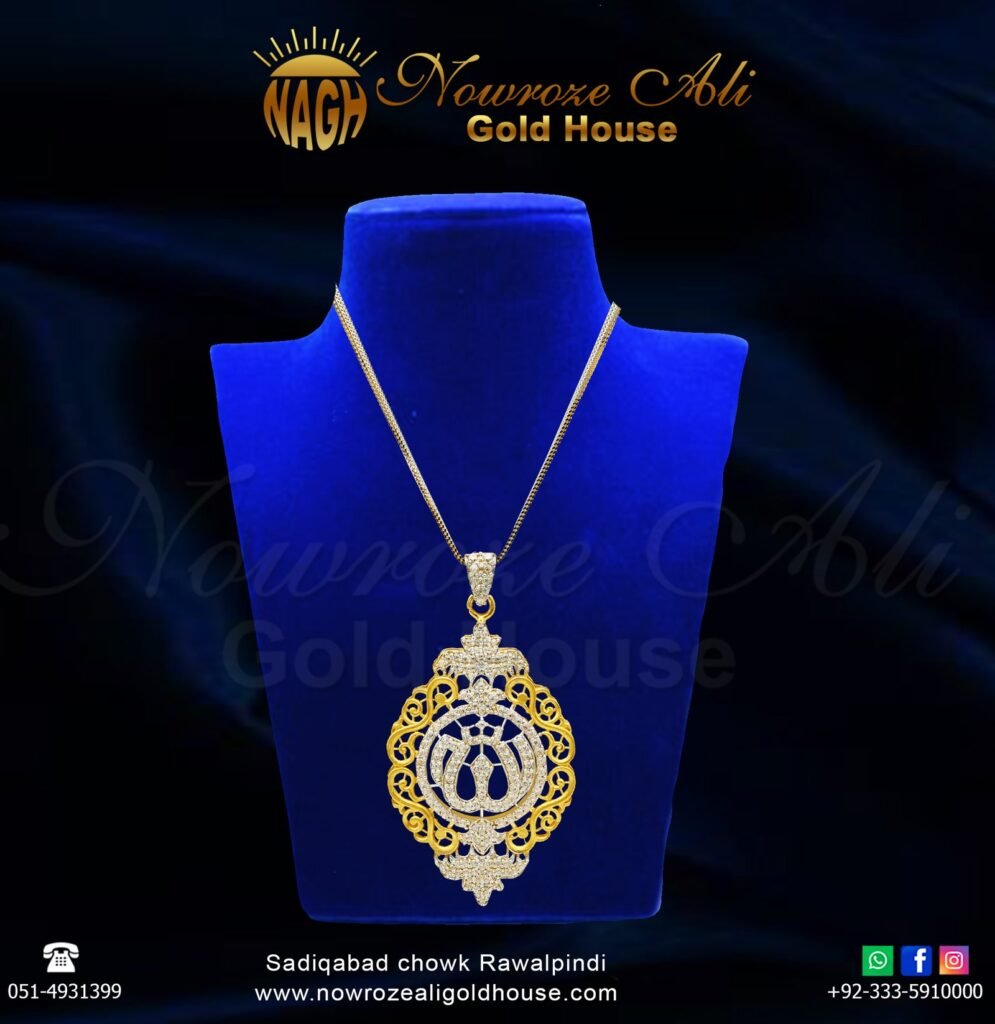
In Hinduism, gold pendants featuring deities such as Ganesha, Lakshmi, or Shiva have long been worn as symbols of devotion and protection, often given during religious ceremonies or significant family milestones. In Islamic traditions, calligraphic pendants featuring verses from the Quran or the name of Allah have served as both religious expression and protective talismans.
Jewish tradition has similarly embraced the gold pendant, particularly in the form of the Star of David or the Hamsa hand, a protective symbol found across Middle Eastern and North African Jewish, Muslim, and broader regional cultures, believed to ward off the evil eye.
The Locket Tradition
One of the most emotionally significant developments in pendant history is the locket—a hollow pendant designed to hold a small portrait, lock of hair, or memento of a loved one. Lockets rose to particular prominence during the Victorian era in the 19th century, a period marked by an intense cultural preoccupation with sentiment, memory, and mourning. Queen Victoria herself popularized mourning jewelry following the death of her husband, Prince Albert, and gold lockets containing photographs or hair of deceased loved ones became a widespread and deeply personal form of jewelry.
Lockets also served as tokens of romantic love, often exchanged between couples, engraved with initials, dates, or short inscriptions, and opened to reveal a hidden photograph or memento known only to the wearer and perhaps a few close confidants.
Renaissance and Baroque Splendor
During the Renaissance and Baroque periods, gold pendants reached new heights of artistic complexity. Wealthy patrons commissioned elaborate pendants featuring enamel work, pearls, and gemstones, often depicting religious scenes, mythological figures, or elaborate decorative motifs. These pieces served not only as personal adornment but as displays of wealth, taste, and artistic patronage, often created by the most skilled goldsmiths of the era.
The Modern Era
The 19th and 20th centuries brought significant shifts in pendant design, influenced by industrialization, changing fashion, and evolving artistic movements. The Art Nouveau movement introduced flowing, nature-inspired pendant designs featuring flowers, insects, and organic forms, while the Art Deco period favored bold geometric shapes and streamlined elegance.
The mid-20th century saw a rise in more minimalist and personal pendant designs, including initial pendants, birthstone pendants, and simple geometric shapes, reflecting broader shifts toward individualized, everyday jewelry rather than solely ceremonial or status-driven pieces.
Today, gold pendants continue to evolve, encompassing everything from religious and cultural symbols to deeply personal, custom-designed pieces that reflect individual identity, relationships, and style.
Why Gold? The Enduring Appeal of the Metal
Gold’s status as the preferred metal for pendants throughout history is rooted in several key qualities:
Durability and Resistance to Tarnish: Gold does not corrode, rust, or tarnish over time, making it well-suited for pendants intended to be worn for years or passed down through generations as heirlooms.
Malleability for Intricate Design: Gold’s exceptional malleability allows goldsmiths to create highly detailed pendant designs, from delicate filigree work to bold sculptural forms, without compromising structural integrity.
Warm, Universally Flattering Color: Gold’s naturally warm hue complements a wide range of skin tones and pairs well with many other materials, including gemstones, enamel, and other metals, making it a versatile choice for pendant design.
Symbolic Weight: Across nearly every culture and religious tradition, gold has represented purity, divinity, wealth, and permanence, reinforcing the significance of pendants meant to carry religious, sentimental, or symbolic weight.
Longevity as an Heirloom: Because of its resistance to decay, a gold pendant can realistically be passed down through multiple generations, retaining both its physical beauty and its accumulated sentimental value over time.
Investment Potential: As with other gold jewelry, gold pendants—particularly those with high purity and minimal embellishment—can serve as a practical store of value alongside their aesthetic and sentimental appeal.
Understanding Gold Purity: Karats Explained
As with all gold jewelry, understanding karat purity is essential when selecting a gold pendant.
24 Karat Gold (24K): Pure gold at 99.9% purity, offering an intensely rich color but relatively soft structure, making it more prone to bending or scratching—an important consideration for pendants featuring fine detail or delicate chains.
22 Karat Gold (22K): At approximately 91.6% gold content, 22K gold is popular in South Asian and Middle Eastern markets for religious and ceremonial pendants, offering rich color with slightly improved durability over 24K.
18 Karat Gold (18K): Containing 75% gold, 18K gold provides an excellent balance between rich color and practical durability, making it a popular choice for fine pendants, particularly those featuring gemstones or intricate detailing.
14 Karat Gold (14K): With about 58.3% gold content, 14K gold is one of the most common choices for everyday pendants in Western markets, valued for its durability and relative affordability.
10 Karat Gold (10K): At 41.7% gold content, 10K gold offers maximum durability and affordability, though with a noticeably lighter color, often chosen for simple, budget-friendly pendant designs.
The choice of karat for a pendant often depends on its intended purpose—religious or ceremonial pendants worn primarily for symbolic occasions might favor higher karats, while everyday pendants benefit from the durability of 14K or 18K gold.
Types and Styles of Gold Pendant
Gold pendants come in an extraordinary range of styles, reflecting diverse purposes, cultural traditions, and personal tastes.
Religious and Spiritual Pendants
Featuring symbols such as crosses, Stars of David, Hamsa hands, Ganesha or Lakshmi figures, Quranic calligraphy, or other sacred imagery, religious pendants remain among the most enduringly popular and meaningful categories of gold pendant, often worn as expressions of personal faith.
Lockets
Hollow pendants designed to hold a photograph, lock of hair, or small memento, lockets carry deep personal and sentimental significance, often passed down through generations as treasured family heirlooms.
Initial and Name Pendants
Featuring a wearer’s initial, name, or a loved one’s name, these pendants offer a highly personal form of jewelry, popular as both everyday accessories and meaningful gifts.
Birthstone Pendants
Combining gold with a gemstone corresponding to the wearer’s birth month, birthstone pendants offer a personalized touch, often given as birthday gifts or to commemorate the birth of a child.
Charm Pendants
Small decorative pendants featuring symbols, animals, or motifs meaningful to the wearer, charm pendants can be worn individually or combined on a single chain for a personalized, layered look.
Statement and Sculptural Pendants
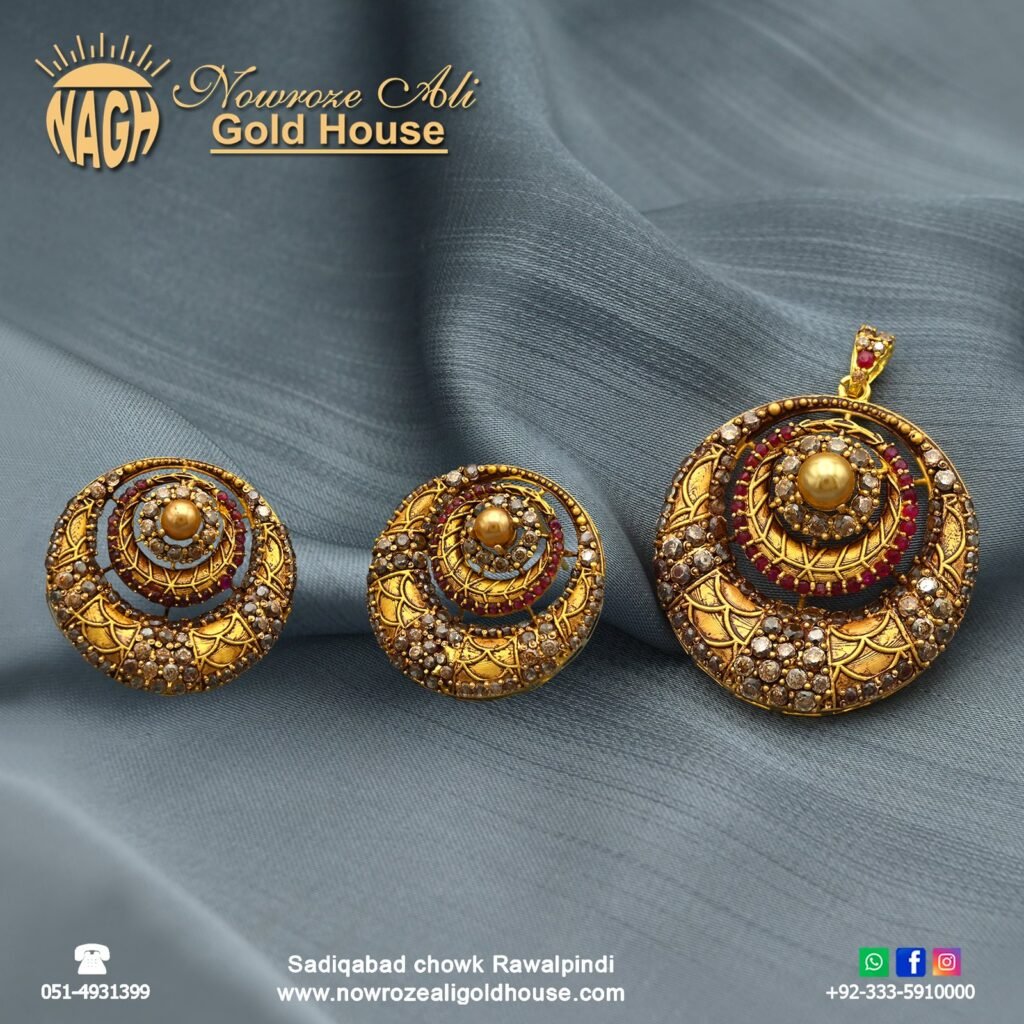
Larger, more elaborate pendants featuring bold geometric shapes, sculptural forms, or intricate detailing, statement pendants serve as a focal point of an outfit, often worn for special occasions or as a distinctive everyday style choice.
Cultural and Traditional Pendants
Certain pendant designs carry specific cultural significance, such as the mangalsutra pendant in Hindu wedding traditions, or specific regional motifs tied to particular ethnic or cultural heritage.
The Craftsmanship Behind Gold Pendants
Creating a gold pendant involves a range of techniques, often blending centuries-old methods with modern technology.
Casting: Molten gold is poured into a mold to create the pendant’s basic form, which is then refined, polished, and finished by hand. This method is especially common for pendants featuring complex three-dimensional detailing or sculptural elements.
Filigree Work: An ancient technique involving the twisting and shaping of fine gold wires into delicate, lace-like patterns, filigree remains popular for religious, ceremonial, and traditional pendant designs, particularly in South Asian and Middle Eastern jewelry traditions.
Repoussé and Chasing: These complementary techniques involve hammering gold from the front and back to create raised, three-dimensional designs, often used for pendants featuring detailed figures, religious imagery, or decorative motifs.
Stone Setting: For pendants featuring gemstones, careful setting techniques—including prong, bezel, or pave settings—ensure that stones are securely held while showcasing their brilliance and color to best effect.
Enameling: A technique involving the fusing of colored glass powder onto a metal surface, enameling has been used since ancient times to add vivid color and detail to gold pendants, particularly popular during the Renaissance and Victorian eras.
Hand Engraving: Skilled artisans use specialized tools to carve intricate designs, inscriptions, or personal messages directly into the pendant’s surface, adding a layer of customization and detail.
Modern goldsmiths increasingly combine these traditional techniques with computer-aided design (CAD) and 3D printing technology, allowing for greater precision and the creation of complex, custom pendant designs that would be difficult to achieve through hand craftsmanship alone.
Cultural and Symbolic Significance
Gold pendants carry rich and varied symbolic meaning across different cultures and belief systems:
In Christian tradition, the gold cross pendant remains one of the most universally recognized symbols of faith, worn by believers across denominations as a visible expression of religious devotion.
In Hindu culture, pendants featuring deities or sacred symbols are often worn for protection, blessing, and spiritual connection, frequently gifted during religious ceremonies, weddings, or significant family milestones.
In Jewish tradition, the Star of David pendant serves as a widely recognized symbol of Jewish identity and heritage, while the Hamsa hand—shared across various Middle Eastern and North African cultures—is believed to offer protection against negative energy or the evil eye.
In many Western cultures, the locket pendant carries deep sentimental significance, often exchanged as a token of romantic love, family bonds, or remembrance of a deceased loved one.
In various African and Indigenous cultures, gold pendant featuring specific symbols, animals, or ancestral motifs often carry significance related to lineage, spiritual protection, or tribal identity.
Buying Guide: What to Consider When Purchasing a Gold Pendant
When shopping for a gold pendant, several factors should guide your decision:
Purpose and Symbolism: Consider whether the pendant is intended for religious observance, sentimental commemoration, everyday wear, or as a fashion statement, as this will influence the ideal style, symbolism, and design complexity.
Karat and Purity: As discussed, higher karat gold offers richer color but reduced durability, while lower karat gold provides greater durability at some expense of color richness. Choose based on intended frequency of wear and personal preference.
Chain Compatibility: Consider the weight and bail (the loop through which the chain passes) of the pendant relative to the chain you intend to pair it with, ensuring the chain can adequately support the pendant’s weight without excessive wear on the links.
Hallmarks and Certification: Always check for purity hallmarks and, when possible, request certification from reputable jewelers, particularly for pendants featuring gemstones or intricate detailing.
Size and Proportion: Consider how the pendant’s size will look when worn, taking into account personal style, body proportion, and the occasions for which it will be worn.
Reputation of the Seller: Purchase from established, reputable jewelers to ensure authenticity and quality, particularly for pendants with religious, cultural, or sentimental significance.
Budget and Market Value: Gold prices fluctuate based on market conditions, so understanding current gold rates can help buyers make informed decisions, particularly for larger or more elaborate pendant designs.
Caring for a Gold Pendant
Proper care ensures a gold pendant maintains its beauty and significance for years, and often generations, to come.
Regular Cleaning: Clean gold pendants periodically using a soft cloth and mild soap solution to remove oils, dirt, and residue that can dull their shine over time.
Avoid Harsh Chemicals: Remove gold pendants before swimming, showering, or using household cleaning products, as chlorine and harsh chemicals can damage the gold’s surface, particularly in lower-karat alloys containing more base metals.
Proper Storage: Store gold pendants separately from other jewelry, ideally in a soft pouch or lined jewelry box, to prevent scratching from contact with harder materials or gemstones.
Careful Handling of Lockets: For pendants that open, such as lockets, periodic inspection of hinges and clasps can help prevent damage or accidental loss of enclosed photographs or mementos.
Periodic Professional Inspection: For pendants featuring gemstones or intricate settings, periodic professional cleaning and inspection can help maintain their appearance and ensure that stones remain securely set.
Mind Chemical Exposure: Perfumes, lotions, and other cosmetics can affect the appearance of gold over time. Apply these products before putting on jewelry, not after, to minimize residue buildup.
Gold Pendants as an Investment
Beyond their aesthetic and sentimental value, gold pendants can also serve as a practical form of investment. As with other gold jewelry, higher-purity pendants with minimal additional embellishment tend to closely track the market value of gold, making them a reasonably stable store of value over time.
However, buyers should recognize that pendants featuring intricate craftsmanship, religious or cultural significance, or gemstone detailing may not always retain resale value proportional to their original cost, since labor, artistry, and sentimental value are not always fully recoverable in resale markets. Those purchasing primarily for investment purposes often prioritize simplicity, purity, and weight, while those purchasing for sentimental, religious, or cultural reasons typically prioritize meaning, craftsmanship, and personal significance instead.
Modern Trends in Gold Pendant Design
Contemporary jewelry design continues to shape and reshape the gold pendant in interesting ways:
Personalization: Custom-engraved pendants featuring initials, names, coordinates, or meaningful dates have surged in popularity, allowing wearers to create deeply personal, one-of-a-kind pieces.
Layering: A prominent trend involves wearing multiple pendants of varying lengths and styles layered together on separate chains, allowing for a personalized, dynamic look that combines meaningful symbols or sentimental pieces.
Minimalist Designs: Simple, understated pendants—small geometric shapes, delicate symbols, or subtle initials—have grown increasingly popular, reflecting broader minimalist trends in fashion and lifestyle.
Sustainable and Ethical Gold: Growing awareness of ethical sourcing has led many consumers to seek out pendants made from recycled gold or gold certified as responsibly mined.
Fusion of Cultural and Modern Design: Many designers are blending traditional cultural or religious motifs with contemporary aesthetics, creating pendants that honor heritage while appealing to modern sensibilities.
Statement Pieces: At the other end of the spectrum, bold, oversized pendants have also seen renewed popularity, particularly for special occasions and fashion-forward individuals seeking a distinctive style statement.
Conclusion
The gold pendant occupies a uniquely intimate place among the many forms of jewelry humans have created throughout history. Worn close to the heart, it has carried religious devotion, romantic sentiment, family memory, cultural identity, and personal expression across thousands of years and countless civilizations. From the protective amulets of ancient Egypt to the sentimental lockets of Victorian England, from sacred religious symbols to deeply personal custom designs, the gold pendant continues to serve as one of the most meaningful and versatile forms of jewelry available.
Understanding its rich history, the nuances of gold purity, the diversity of styles available, and proper care practices allows both buyers and wearers to make informed, meaningful choices. Whether chosen as a religious expression, a sentimental keepsake, a cultural symbol, or simply an elegant fashion accessory, a gold pendant carries far more than material worth—it carries stories, beliefs, and personal connections that continue to be written with every wearer who chooses to make it their own.
As fashion and design trends continue to evolve, the fundamental appeal of the gold pendant remains constant: a beautiful, enduring, and deeply symbolic piece of jewelry that connects the wearer to both a broader human legacy of meaning-making and their own unique personal story.