


Gold has always held a special place in the hearts of people living in Rawalpindi. Whether it is a wedding, an engagement, Eid celebrations, or a family gathering, a gold mala set is often the centerpiece of a woman’s jewelry collection. In a city known for its rich culture, bustling markets, and deep-rooted traditions, the demand for gold mala sets continues to grow every year. This guide takes an in-depth look at everything you need to know about buying, choosing, and maintaining a gold mala set in Rawalpindi, from historical significance to modern trends, pricing factors, and the best places to shop.
Understanding What a Gold Mala Set Really Is
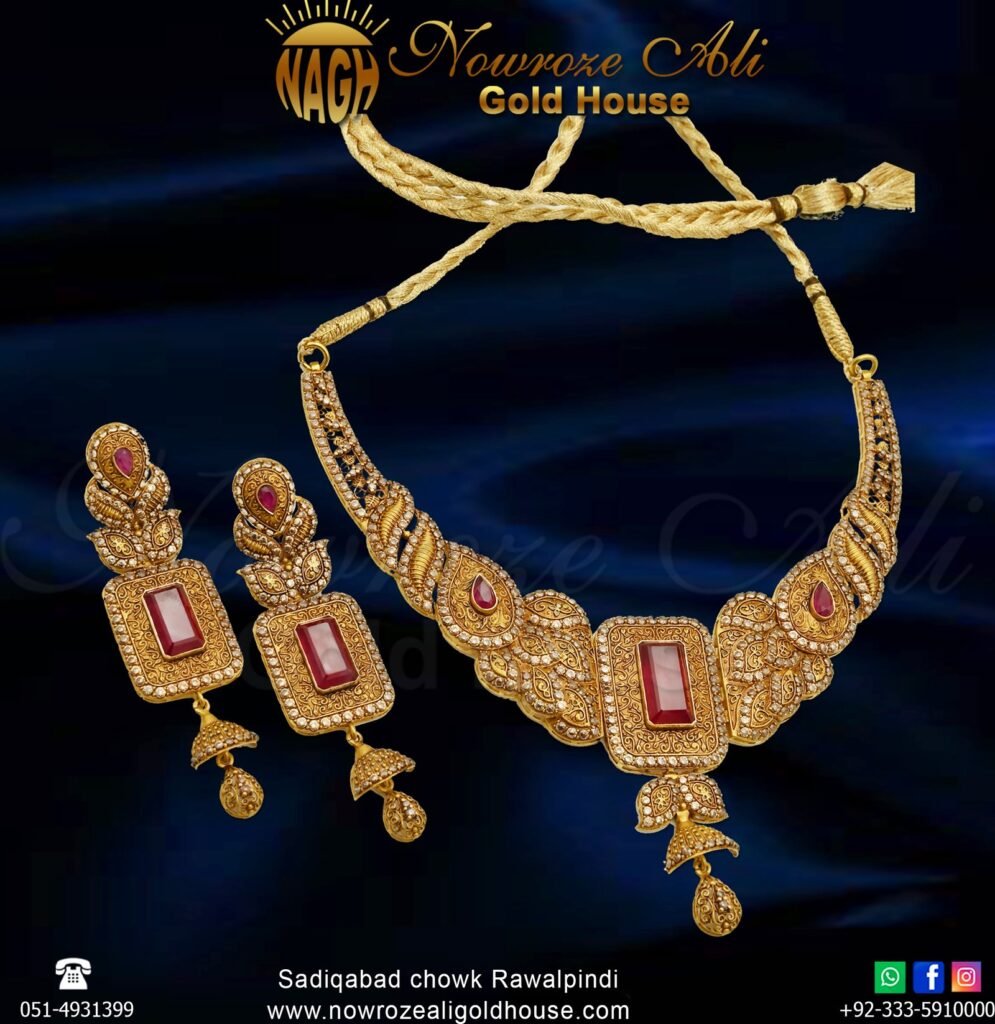
A gold mala set, often referred to simply as a “mala set” in local jewelry markets, is a complete jewelry ensemble built around a central necklace (mala) and typically includes matching earrings, and sometimes a tikka (maang tikka), bracelet, or ring. Unlike a single piece of jewelry, a mala set is designed as a cohesive unit, meaning every component shares the same design language, gemstone work, and finishing style.
In Rawalpindi, mala sets are worn across generations. Grandmothers pass down antique mala sets to daughters and granddaughters, and these heirloom pieces often carry sentimental as well as monetary value. At the same time, younger buyers are increasingly drawn to contemporary interpretations of the traditional mala, blending old techniques with new aesthetics.
The term “mala” itself comes from the Sanskrit and Urdu word for a garland or chain, historically used to describe a long necklace, though today it is used broadly to describe any elaborate necklace set, long or short, worn for formal occasions.
The Cultural Significance of Gold Mala Sets in Rawalpindi
Rawalpindi, being twinned closely with Islamabad yet retaining its own distinct old-city character, has a jewelry culture shaped by Punjabi traditions, Mughal-era aesthetics, and modern South Asian fashion trends. Gold jewelry in this region is not simply a fashion accessory; it holds deep social and economic meaning.
In many Rawalpindi households, a gold mala set is considered an essential part of a bride’s dowry and trousseau. Families often begin collecting pieces years in advance of a daughter’s wedding, viewing gold as both an adornment and a financial safety net. This dual purpose, ornamental beauty combined with investment value, is one of the biggest reasons why gold mala sets remain so popular despite the availability of artificial and semi-precious alternatives.
Weddings in Rawalpindi typically involve multiple ceremonies, mehndi, baraat, valima, and each occasion often calls for a different type of gold mala set. Brides may wear a heavier, more elaborate set for the baraat ceremony and a lighter, more delicate set for the valima or reception. This has led local jewelers to design mala sets specifically tailored to different wedding functions.
Popular Types of Gold Mala Sets Available in Rawalpindi
When shopping for a gold mala set in Rawalpindi, buyers will typically encounter several distinct styles, each with its own characteristics, craftsmanship techniques, and price points.
Kundan Mala Sets
Kundan work involves setting glass or gemstones into gold using a traditional technique that dates back centuries. Kundan mala sets are popular for bridal wear because of their intricate detailing and regal appearance. These sets often feature layered necklaces paired with matching jhumkas (bell-shaped earrings) and a tikka.
Polki Mala Sets
Polki jewelry uses uncut, natural diamonds set in gold, giving it a raw, antique shine that many brides in Rawalpindi prefer for their main wedding ceremony. Polki mala sets tend to be on the higher end of the price spectrum due to the diamonds involved, but many jewelers also offer polki-look alternatives using cubic zirconia to reduce cost while maintaining the visual effect.
Temple Jewelry Mala Sets
Inspired by South Indian temple architecture and deity motifs, temple-style mala sets have found a growing audience in Rawalpindi, especially among buyers looking for a distinctive, statement-making piece that differs from the typical Mughal-inspired designs common in Punjab.
Antique and Jadau Mala Sets
Antique mala sets are treasured for their vintage finish, often achieved through oxidization or matte gold plating techniques. Jadau jewelry, a close cousin of Kundan, involves embedding stones directly into molten gold without adhesive, resulting in a very durable and traditional finish. These sets are frequently passed down as family heirlooms.
Choker-Style Mala Sets
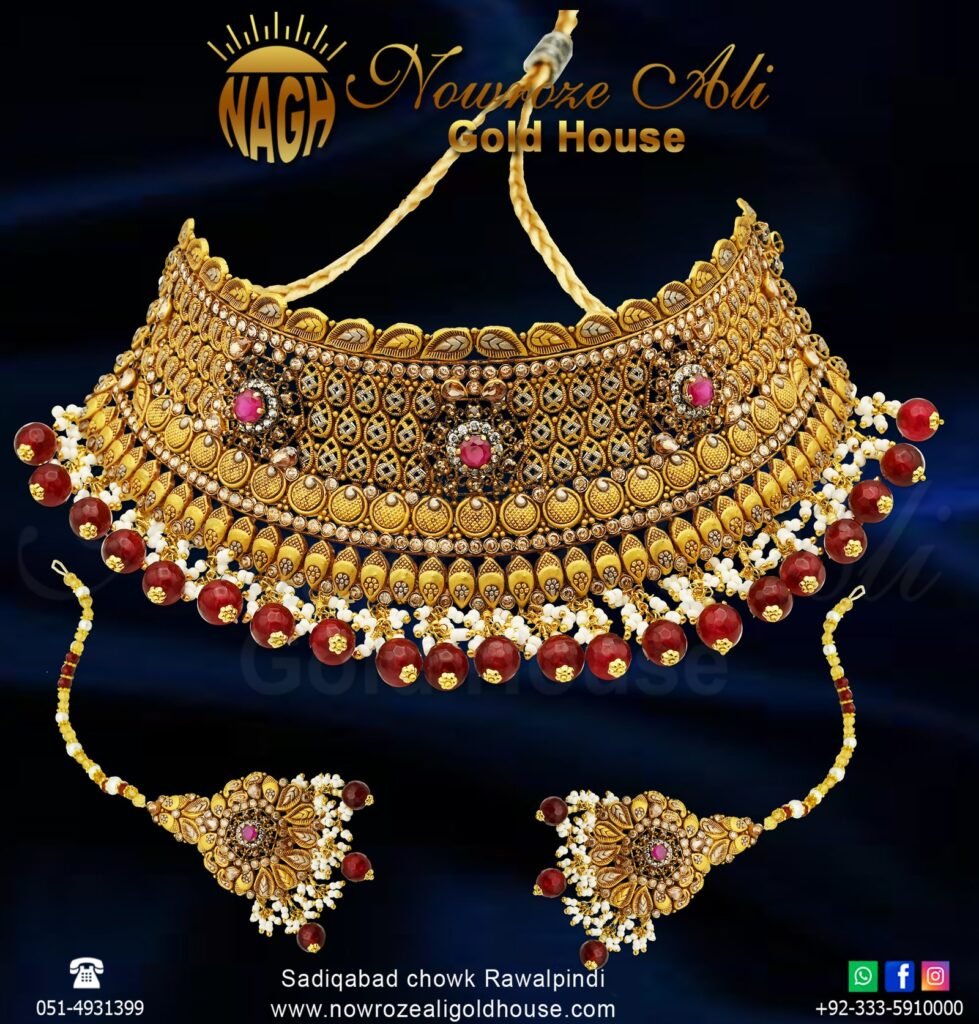
For those who prefer a more contemporary silhouette, choker-style mala set sit snugly around the neck and are often paired with long, statement earrings. This style has become increasingly popular among younger buyers in Rawalpindi who want a modern twist on traditional gold jewelry.
Rani Haar Mala Sets
The Rani Haar, meaning “queen’s necklace,” is a long, cascading necklace design that often reaches the chest or waist. It is typically reserved for the most formal occasions, such as the baraat ceremony, and is considered one of the most opulent styles of gold mala sets available.
Layered and Multi-Strand Mala Sets
Layered mala sets, featuring two or three strands of varying lengths, have become a popular choice for buyers who want a fuller, more dramatic look without opting for an extremely heavy single-strand piece.
Where to Shop for Gold Mala Sets in Rawalpindi
Rawalpindi is home to some of the most well-established and trusted gold markets in the region, drawing shoppers not only from within the city but from Islamabad and surrounding areas as well.
Sarafa Bazaar
Located in the heart of Raja Bazaar, Sarafa Bazaar is one of the oldest and most renowned gold markets in Rawalpindi. Generations of jewelers operate shops here, many of which have been family-run businesses for decades. This market is known for offering a vast range of gold mala sets, from budget-friendly designs to elaborate bridal collections, often with room for price negotiation, which is a long-standing tradition in local gold markets.
Raja Bazaar
Beyond Sarafa Bazaar specifically, the broader Raja Bazaar area houses numerous jewelry shops, each specializing in different styles and price ranges. Buyers looking for both wholesale and retail options often find better deals here due to the sheer density of competing jewelers.
Committee Chowk and Bank Road
These commercial hubs also host several well-regarded jewelry outlets, often catering to a slightly more modern clientele looking for contemporary mala set designs alongside traditional offerings.
Branded Jewelry Showrooms
In recent years, several established Pakistani jewelry brands have opened branded showrooms in and around Rawalpindi, offering fixed pricing, hallmark certification, and a more standardized buying experience compared to traditional bazaar shopping. These showrooms are particularly popular among buyers who prioritize transparency and want assurance regarding gold purity.
Factors That Affect the Price of a Gold Mala Set
Understanding pricing is essential before making a purchase, as several variables can significantly affect the final cost of a gold mala set.
Gold Karat and Purity
Gold jewelry in Pakistan is commonly available in 18k, 21k, and 22k purity levels. Higher karat gold contains a greater percentage of pure gold and is generally softer, making it more suitable for less intricate designs. Lower karat gold, being harder, is often preferred for detailed mala sets that require durability to hold intricate patterns and stone settings.
Weight of the Set
The overall weight of a mala set, measured in tolas or grams, is one of the primary determinants of price, since gold itself is priced by weight based on daily market rates. A heavier Rani Haar-style set will naturally cost significantly more than a lightweight choker set of the same purity.
Making Charges
Labor and craftsmanship costs, known locally as making charges, vary depending on the complexity of the design. Intricate Kundan or Jadau work requires significantly more skilled labor than simpler, machine-assisted designs, and this is reflected in the making charges added on top of the raw gold price.
Gemstones and Embellishments
Sets that incorporate precious or semi-precious stones, pearls, or diamonds will cost more than plain gold designs. Even Kundan and Polki work, which use glass or uncut diamonds respectively, adds to the overall price due to the specialized setting techniques required.
Daily Gold Rate Fluctuations
Gold prices fluctuate daily based on international market rates, currency exchange values, and local demand. Buyers in Rawalpindi should always check the current gold rate on the day of purchase, as even a same-day price difference can affect the total cost of a mala set noticeably when dealing with heavier pieces.
How to Choose the Right Gold Mala Set for Your Occasion
Selecting the right mala set depends heavily on the specific event, personal style preferences, and budget considerations.
For Wedding Ceremonies
Brides in Rawalpindi typically opt for heavier, more elaborate mala sets for the main wedding ceremony or baraat. Kundan, Polki, or Rani Haar styles are popular choices, often paired with a matching tikka, earrings, and sometimes a nose ring (nath) to complete the bridal look.
For Engagement Ceremonies
Engagement functions often call for slightly lighter sets compared to the wedding day itself, allowing the bride-to-be to move comfortably while still looking elegant. Choker-style or medium-weight Kundan sets are commonly chosen for this occasion.
For Valima Receptions
Since the valima is typically a more formal but less physically demanding event than the baraat, many brides choose a different, often more contemporary mala set for this occasion, sometimes opting for diamond-look Polki or a more modern choker design paired with statement earrings.
For Everyday or Semi-Formal Wear
For guests attending weddings or for semi-formal family gatherings, lighter mala sets with minimal stone work offer an elegant option without the weight or cost of full bridal jewelry.
Tips for Buying a Genuine Gold Mala Set in Rawalpindi
Given the significant financial investment involved, buyers should take several precautions when purchasing gold jewelry.
Check for Hallmarking
Always ask whether the piece carries an official hallmark indicating gold purity. While hallmarking practices can vary between traditional bazaar shops and branded showrooms, reputable jewelers should be able to provide documentation or verification of gold purity.
Verify the Daily Gold Rate
Before finalizing a purchase, buyers should confirm the current gold rate for the day, which is typically displayed or known by local jewelers, to ensure they are being charged fairly relative to the weight of the piece.
Get a Detailed Receipt
A proper receipt should itemize the weight of gold, the purity level, making charges, and the cost of any additional stones or embellishments separately. This transparency helps buyers understand exactly what they are paying for and provides documentation useful for future resale or insurance purposes.
Compare Multiple Shops
Given the density of jewelers in areas like Sarafa Bazaar and Raja Bazaar, it is worthwhile to visit multiple shops and compare designs, weights, and making charges before settling on a final purchase.
Negotiate Making Charges
While the price of gold itself is largely fixed based on daily rates, making charges are often negotiable, particularly in traditional bazaar settings. Buyers should not hesitate to discuss and negotiate this portion of the price.
Consider Resale Value
Some intricate designs, while beautiful, may have higher making charges that are not recoverable if the piece is ever resold or melted down, since resale typically values gold based on weight and purity rather than craftsmanship. Buyers who view their purchase partly as an investment should factor this into their decision.
Custom-Made Versus Ready-Made Gold Mala Sets
Many jewelers in Rawalpindi offer the option of custom-designing a mala set according to a buyer’s specific preferences, whether that involves a particular design inspiration, a specific weight target, or the incorporation of heirloom stones from an older piece of jewelry.
Custom orders typically take longer to complete, often several weeks depending on the complexity of the design, but allow for a truly unique piece tailored to individual taste. Ready-made sets, on the other hand, offer the advantage of immediate purchase and the ability to physically inspect the finished piece before buying, which some buyers find reassuring compared to ordering based on a sketch or sample.
Caring for Your Gold Mala Set
Proper maintenance ensures that a gold mala set retains its shine and structural integrity for years, or even generations, to come.
Storage
Gold mala sets should be stored separately from other jewelry to prevent scratching, ideally in a soft cloth pouch or a lined jewelry box. Pieces with Kundan or Polki work should be handled with particular care, as the stone settings can be more delicate than plain gold.
Cleaning
Gold jewelry can generally be cleaned using a soft cloth and mild soap solution, avoiding harsh chemicals that could damage embellishments or stone settings. Pieces with intricate Kundan or Jadau work should ideally be cleaned by a professional jeweler to avoid dislodging delicate stones.
Avoiding Damage
Gold mala sets should be removed before activities involving water, sweat, or physical exertion, such as swimming or exercise, as prolonged exposure to moisture and chemicals like perfume or lotion can dull the shine over time and potentially loosen stone settings.
Regular Inspection
Periodically checking clasps, stone settings, and chain links for wear and tear can help catch potential issues before they result in lost stones or a broken chain, particularly for frequently worn pieces.
Modern Trends in Gold Mala Sets
While traditional designs remain deeply popular in Rawalpindi, contemporary trends are increasingly influencing buyer preferences, particularly among younger generations.
Minimalist Mala Sets
Simpler, lighter mala sets with clean lines and minimal stone work have gained popularity for their versatility, suitable for both formal and semi-formal occasions without the weight or ostentation of traditional bridal jewelry.
Fusion Designs
Some jewelers now offer fusion pieces that combine traditional Kundan or temple-style elements with more modern silhouettes, appealing to buyers who want to honor cultural heritage while embracing contemporary fashion sensibilities.
Convertible Sets
Innovative designs that allow a single mala set to be worn in multiple configurations, such as a long necklace that can be shortened into a choker, have become increasingly popular for buyers seeking versatility from a single investment piece.
Colored Gold and Two-Tone Designs
While yellow gold remains the traditional preference in Rawalpindi, rose gold and two-tone combinations are gradually gaining traction among buyers looking for a more modern aesthetic.
The Investment Perspective on Gold Mala Sets
Beyond their aesthetic and cultural value, gold mala sets are widely viewed as a form of financial security in Rawalpindi and across Pakistan more broadly. Given the historical volatility of the local currency and broader economic uncertainties, many families view gold as a more stable long-term store of value compared to cash savings.
This investment mindset influences purchasing decisions, with many buyers favoring designs with lower making charges relative to gold weight, ensuring that a larger proportion of the purchase price reflects the actual gold content rather than labor costs. This approach maximizes potential resale value should the family need to liquidate the asset in the future.
Final Thoughts
A gold mala set is far more than a decorative accessory in Rawalpindi; it represents cultural heritage, family tradition, financial security, and personal celebration all woven into a single piece of jewelry. Whether shopping in the historic lanes of Sarafa Bazaar, browsing a modern branded showroom, or commissioning a custom design tailored to a specific vision, buyers in Rawalpindi have access to an extraordinary range of options spanning centuries-old craftsmanship and contemporary style.
Taking the time to understand purity levels, making charges, design styles, and proper care techniques ensures that any gold mala set purchased in Rawalpindi will remain a cherished and valuable piece for years, and potentially generations, to come.